


NEWS

DB4M’s Kerala Visit Highlights Urgent Needs of Migrant Workers
Kochi - The Don Bosco for Migrants (DB4M) team concluded a two-day Source and Destination Visit to Kerala on November 29–30, 2025, shedding light on the realities of interstate migrant workers and the collaborative efforts required to support them. The immersion brought together representatives from source provinces Tiruchy, Bangalore, Hyderabad, and Kolkata, who engaged with institutions, government officials, and migrant communities across Vaduthala, Angamaly, Perumbavoor, and Palluruthy.
The visit began with a Eucharistic celebration in Angamaly, setting a spiritual tone for the mission. Fr. Francis Bosco underscored the shared responsibility of the Church, NGOs, trade unions, police, and government departments in safeguarding migrant welfare. His call for compassion blended with advocacy framed the purpose of the visit: to listen, observe, and act on the challenges faced by workers from Odisha, Bengal, Assam, Tamil Nadu, and Jharkhand.
Field interactions revealed the multidimensional struggles of migrants. At the Ajeevika/MAIN Centre in Kalady, Fr. Immanuel and his team highlighted issues ranging from healthcare gaps and workplace accidents to wage disputes and alcohol dependency. The Rajagiri Suraksha Migrant Project in Perumbavoor emphasized vulnerabilities such as child marriage, drug use, and sexually transmitted infections, while Inspector Samad of the Kerala Police stressed the importance of documentation and child protection in residential worksites.
A notable highlight was the Salesian-run Migrant Shelter in Palluruthy, where 50 migrants lived in dignity through collective management of housing and food. The DB4M team praised this as a replicable model for other states. Encounters at Kitex garment factory and St. George Church in Perumbavoor further revealed the dual realities of migrant life: structured employment opportunities alongside restricted mobility and educational challenges for children.
The Centre for Migration and Inclusive Development (CMID) provided a broader perspective, mapping Kerala’s growing reliance on migrant labour due to its shrinking youth population. Their initiatives—mobile health clinics, multilingual awareness campaigns, and helpline collaborations—demonstrated the need for integrated source–destination strategies.
In its evaluation, DB4M acknowledged that two days were insufficient for such a vast learning exercise. The team recommended extending future visits to three days and identified several urgent lines of action:
- Establishing pastoral support for Odia migrants, including a dedicated chaplain.
- Strengthening Mass offerings and pastoral follow-up in industrial hubs like Kitex and Perumbavoor.
- Involving seminarians and religious in migrant apostolates.
- Coordinating education initiatives with NGOs and state stakeholders to address linguistic and financial barriers faced by migrant children.
- Enhancing collaboration with Odia priests during major festivals such as Christmas and Easter.
The visit concluded with gratitude to the many organizations and individuals who opened their doors, from CMID and SEWA to the Salesians and Kerala Migrant Commission. DB4M reaffirmed its commitment to continuous accompaniment of India’s migrant workforce, whose labour sustains Kerala’s key economic sectors. In the months ahead, the focus will be on translating these insights into concrete pastoral, educational, and policy interventions that ensure dignity and justice for migrants across the state.




News Published by
SPCSA SPECIAL CIRCULAR
SOUTH ASIA REGION.
BM/2026/SA CIRCULAR 02
As part of the Colle project, we offer an international volunteering experience with young people from all over the world, who live in community and share their lives, …
DOWNLOAD PDF for more information.
Common Spiritual Direction Series
✥ CSDS ✤ Download Your Kit Free
Join the Conversation
Your experience matters. Whether you’re a youth leader, educator, or simply passionate about making a difference—your insights add value that reporting alone can't capture. When you comment, you're not just reacting—you're helping shape a thoughtful, encouraging community.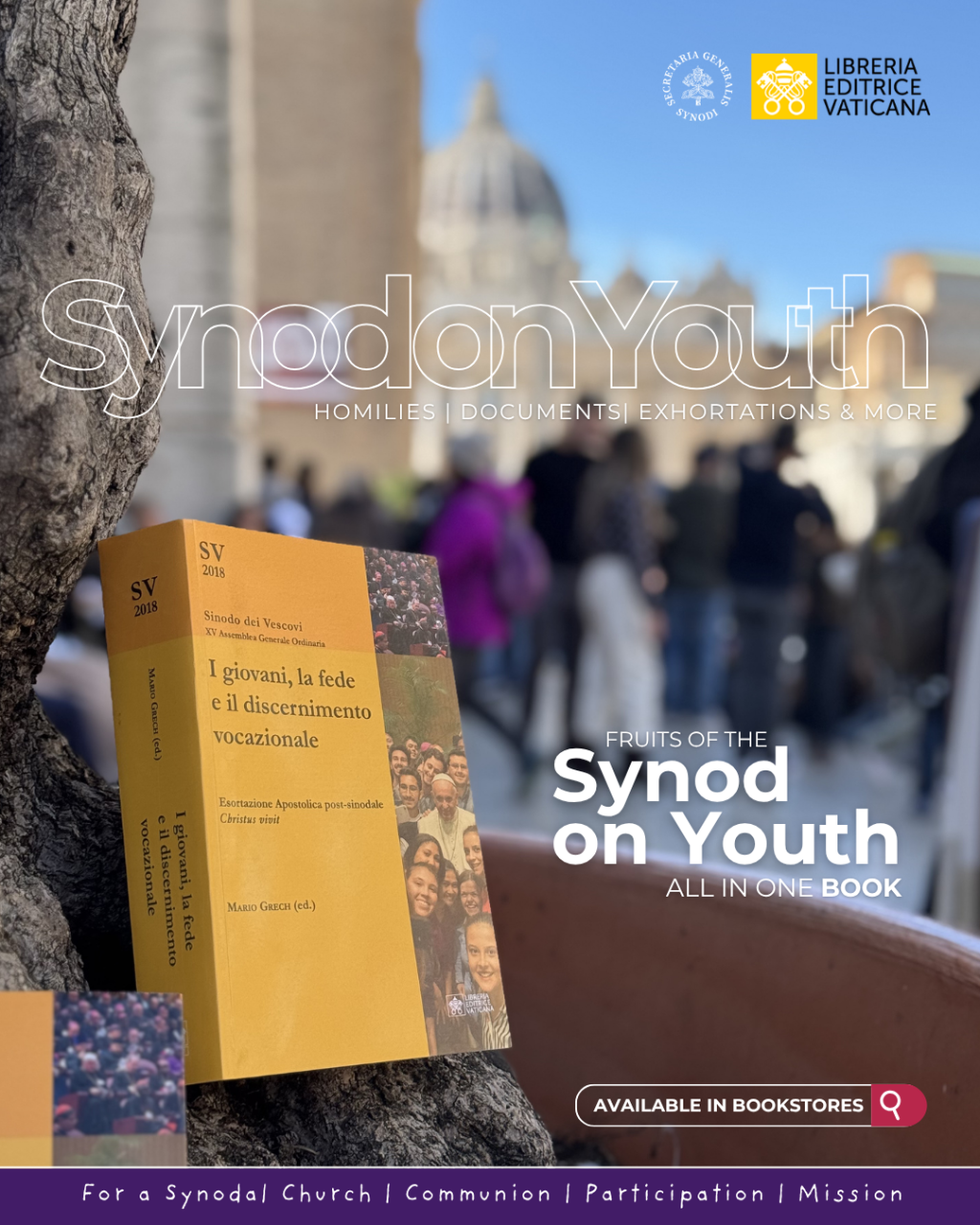 Publisher: Libreria Editrice Vaticana
Year of publication: 2026
Available from: 4 March 2026
Pages: 928 pp., Paperback
Publisher: Libreria Editrice Vaticana
Year of publication: 2026
Available from: 4 March 2026
Pages: 928 pp., Paperback


NEWS TRACKER: RELATED NEWS ON THIS CLASSIFICATION


